
The best sustainable luxury fashion brands in 2026 are Stella McCartney, Patagonia, Eileen Fisher, Loro Piana, Brunello Cucinelli, Veja, Reformasi, and Bottega Veneta. These brands combine exceptional craftsmanship with ethical sourcing, low-impact materials, and transparent supply chains — proving that true luxury and sustainability are the same thing.
Sustainable luxury fashion is no longer a niche movement. A 2026 McKinsey report found that 67% of European consumers now consider sustainability when making a luxury purchase. At Regal Wear, we believe the quietest luxury is clothing made to last — ethically sourced, beautifully crafted, and built for decades not seasons.
This guide covers the best luxury fashion brands worth the money that also lead on sustainability — what makes each one genuinely ethical, which materials they use, and how to shop them wisely.
What Makes a Luxury Brand Truly Sustainable?
Not every brand that uses the word sustainable deserves it. Genuine sustainable luxury brands meet at least three of these five criteria:
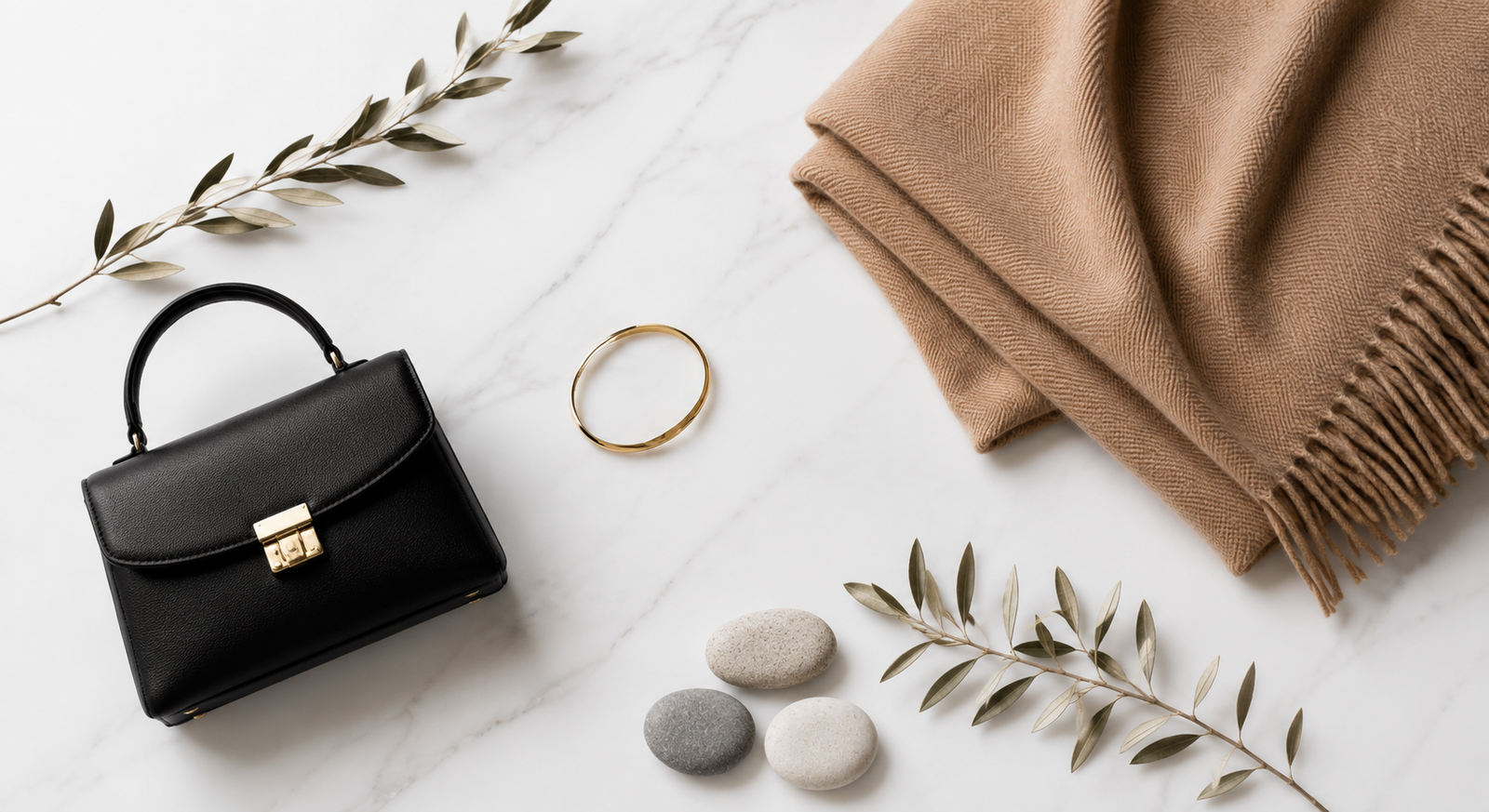
- Traceable supply chain — they know exactly where every material comes from
- Low-impact materials — organic cotton, recycled fibres, responsible wool, natural dyes
- Fair labour practices — certified factories, living wages, safe conditions
- Durability focus — pieces designed to last 10+ years, not one season
- Carbon transparency — published emissions data and reduction targets
The Best Sustainable Luxury Fashion Brands in 2026
1. Stella McCartney
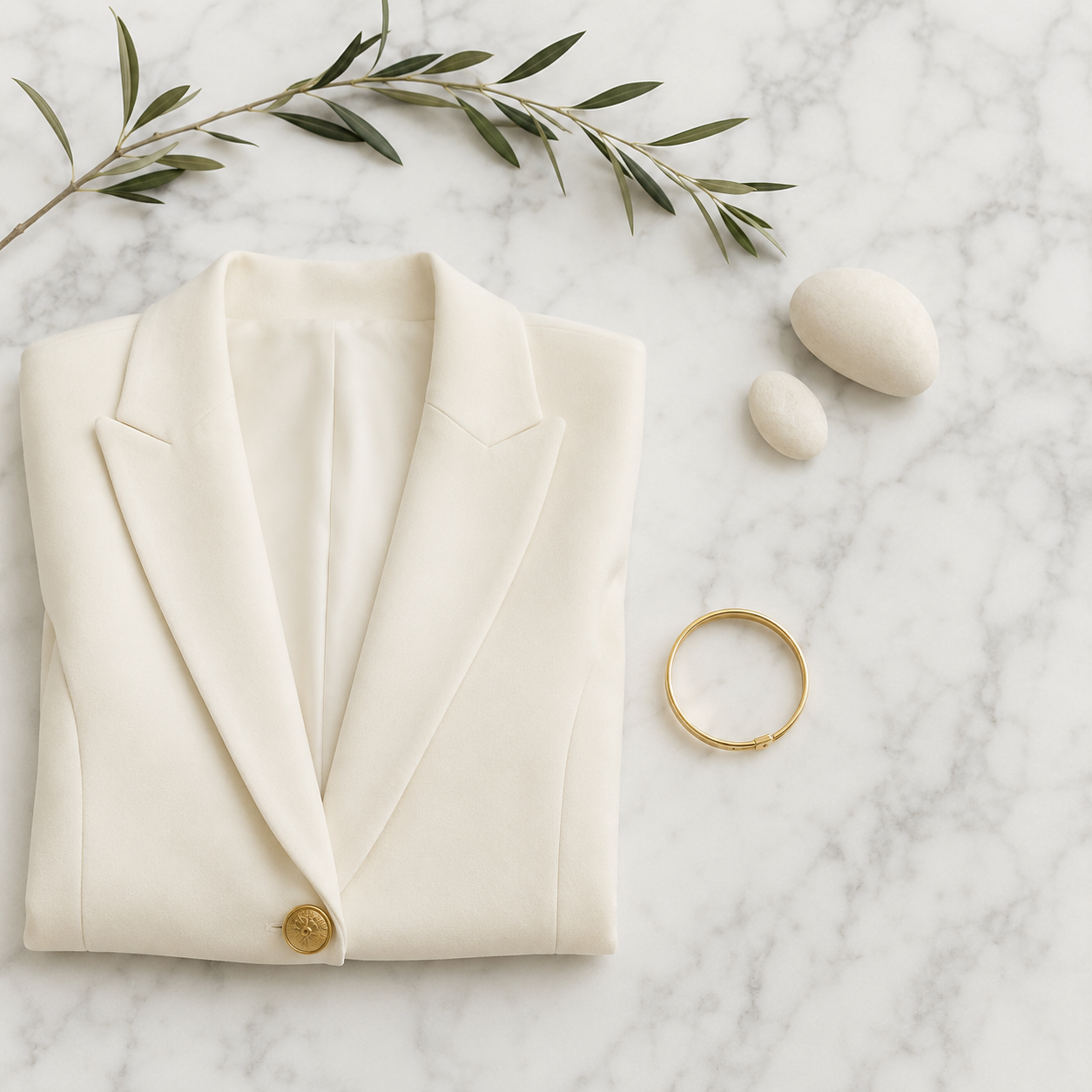
Stella McCartney is the original pioneer of sustainable luxury fashion. The brand has been 100% vegetarian since its founding in 2001 — no leather, no fur, ever. In 2026 the brand uses regenerative cotton, mycelium leather alternatives, and recycled cashmere across its collections. Its Falabella bag, made from recycled materials, has become an icon of ethical luxury.
Sustainability credentials: B Corp certified, Forest Positive commitment, 50% recycled or sustainably sourced materials across all collections.
2. Loro Piana
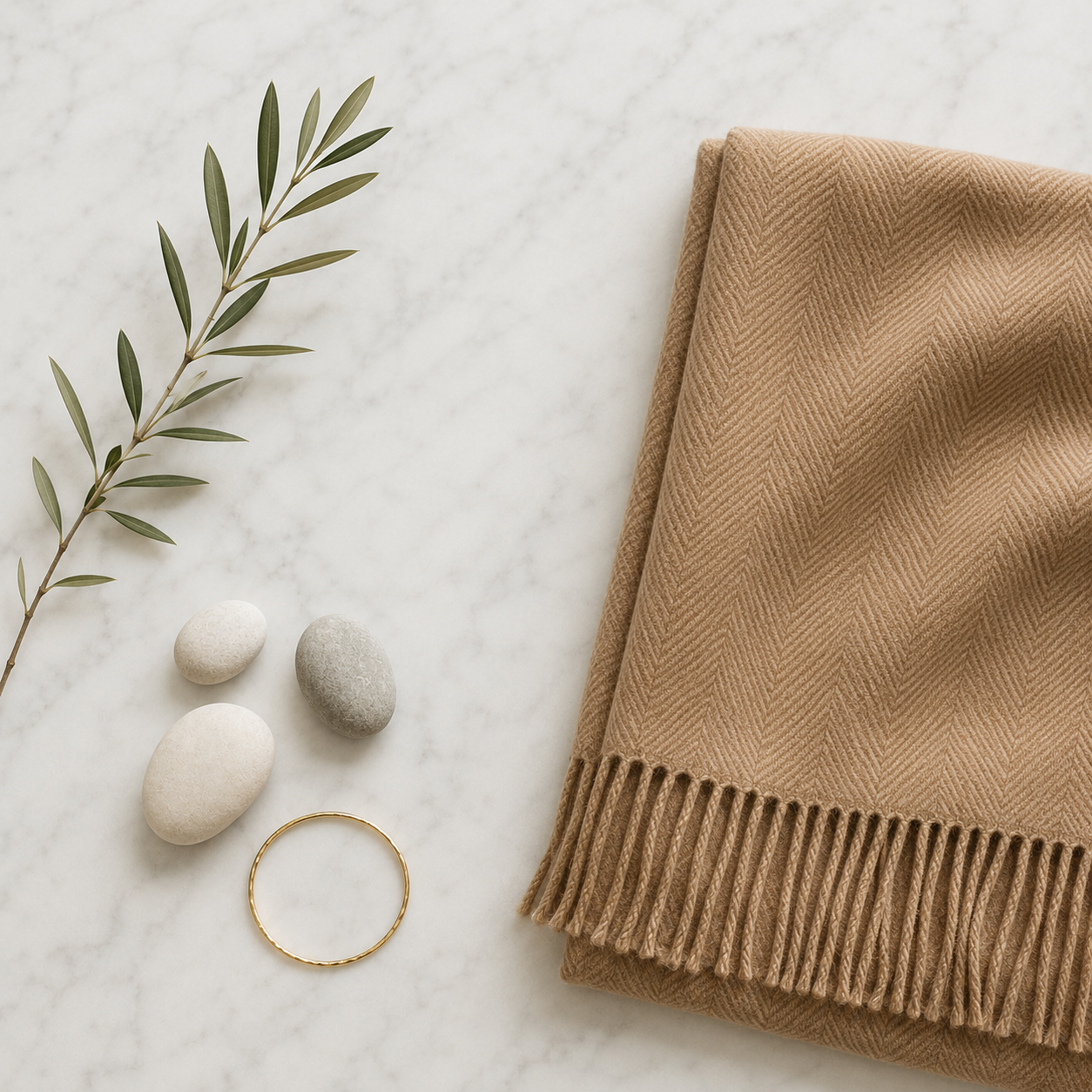
Loro Piana’s sustainability credentials are rooted in material excellence. The brand sources baby cashmere directly from Hircus goat herders in Mongolia and Inner China, paying above-market prices to preserve traditional herding practices. Their vicuña programme — working directly with Andean communities — is one of the most celebrated conservation partnerships in luxury fashion.
Sustainability credentials: Direct-from-herder sourcing, vicuña conservation programme, OEKO-TEX certified processing, minimal chemical dyeing.
3. Brunello Cucinelli
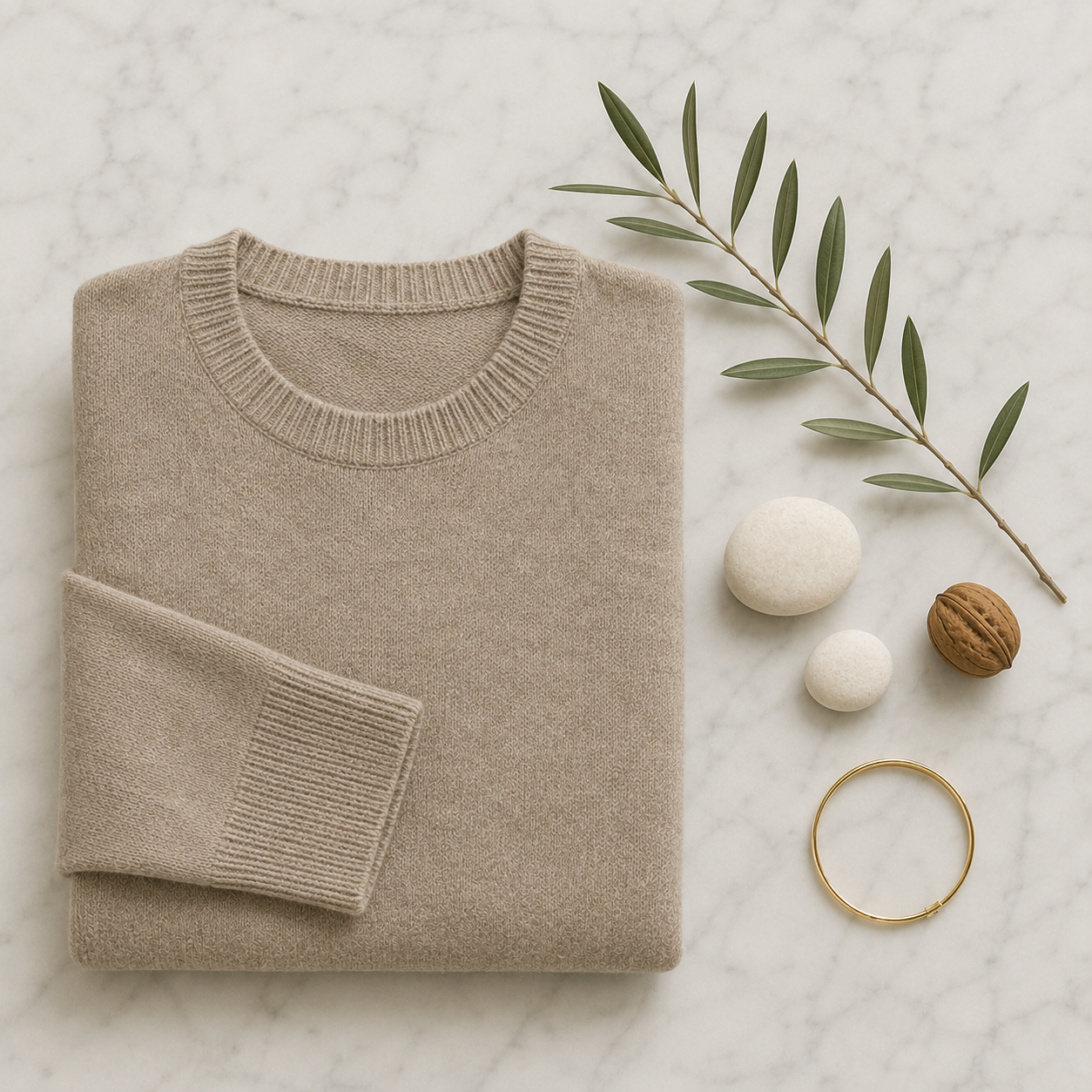
Brunello Cucinelli built his entire brand around what he calls “humanistic capitalism” — the idea that profit must serve human dignity. His Solomeo village in Umbria houses his artisan workshops, a theatre, an amphitheatre, and a school of arts and crafts. All employees earn above-market wages, all cashmere is responsibly sourced, and 20% of profits are reinvested in the community.
Sustainability credentials: Certified B Corp equivalent practices, 100% traceable cashmere, living wage commitment, zero waste manufacturing target by 2030.
4. Eileen Fisher
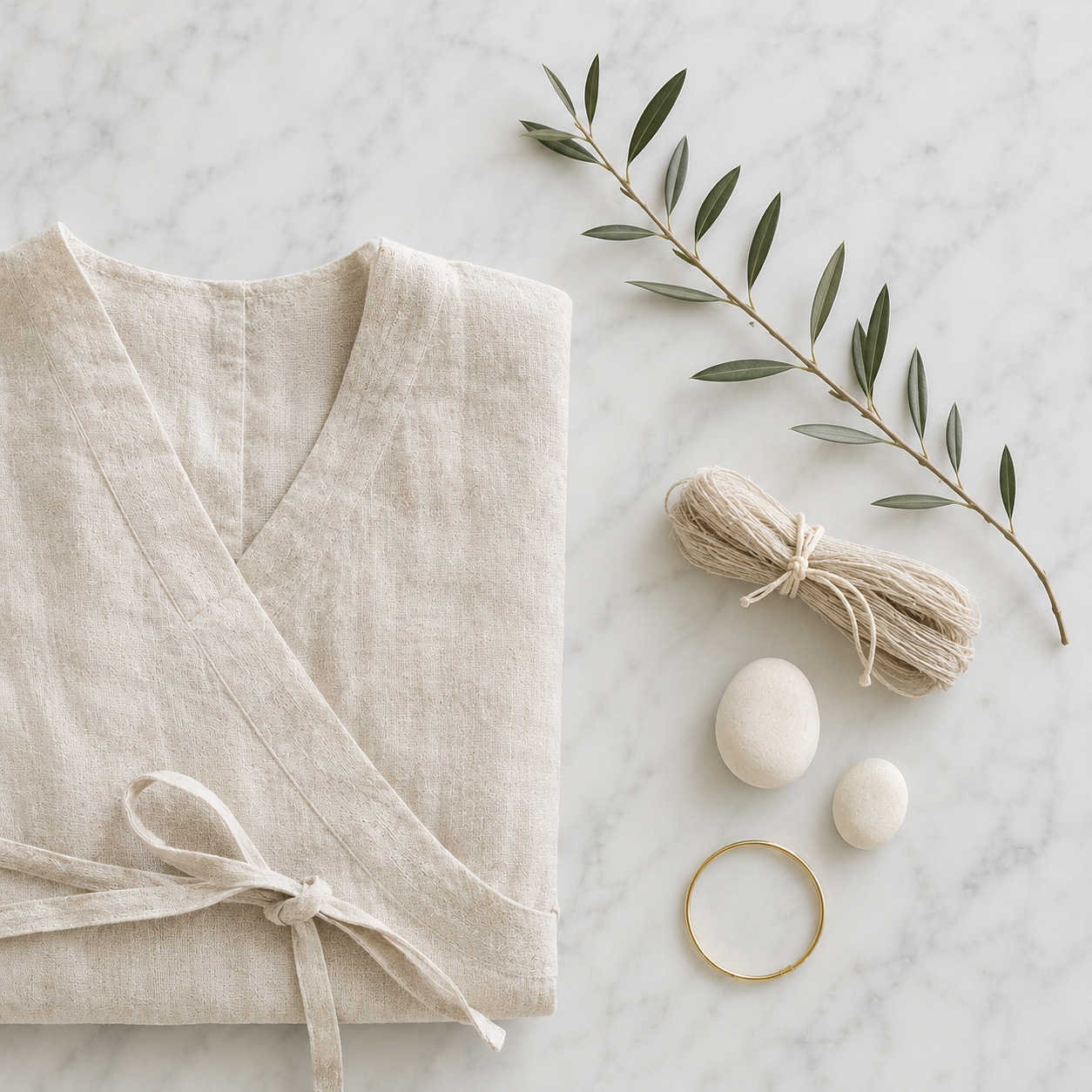
Eileen Fisher’s Renew programme is one of the most ambitious circular fashion initiatives in luxury. The brand takes back any Eileen Fisher garment — regardless of age or condition — cleans, repairs, and resells it at reduced prices. Since 2009, over 1.5 million garments have been recirculated. The brand uses organic linen, organic cotton, and responsible wool as its foundation materials.
Sustainability credentials: B Corp certified, 1.5 million garments recirculated, 100% sustainable fibres target by 2025, women-owned business.
5. Veja
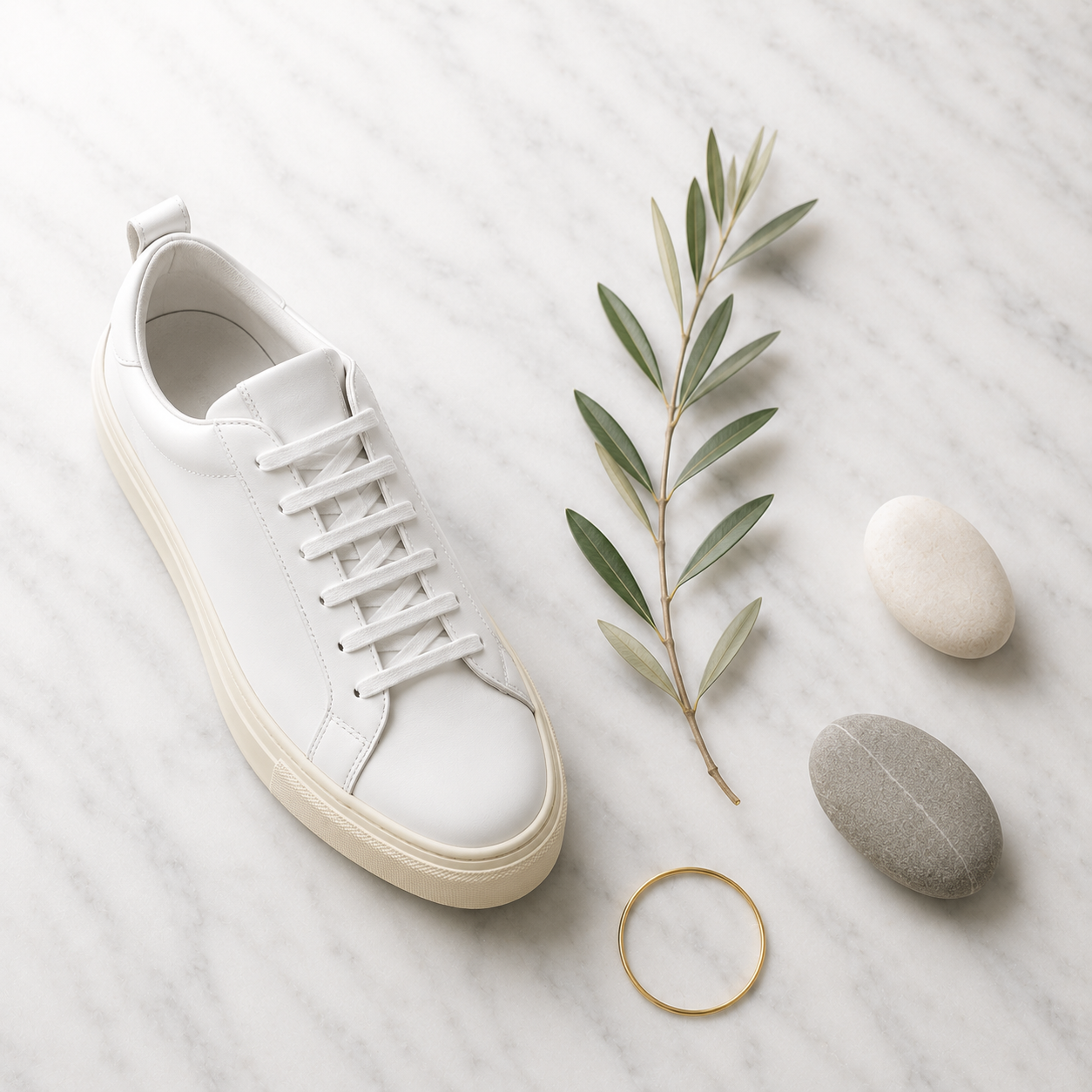
Veja transformed the luxury sneaker category by making full supply chain transparency its core marketing strategy — spending zero on advertising and everything on sourcing. Their trainers use organic cotton from Brazilian cooperatives, wild Amazonian rubber, and chrome-free leather. Despite spending nothing on traditional marketing, Veja has become one of the most recognised luxury sneaker brands in Europe.
Sustainability credentials: Zero advertising budget, 100% organic cotton, Amazonian rubber (protecting rainforest), fair trade certified cotton farmers.
6. Bottega Veneta
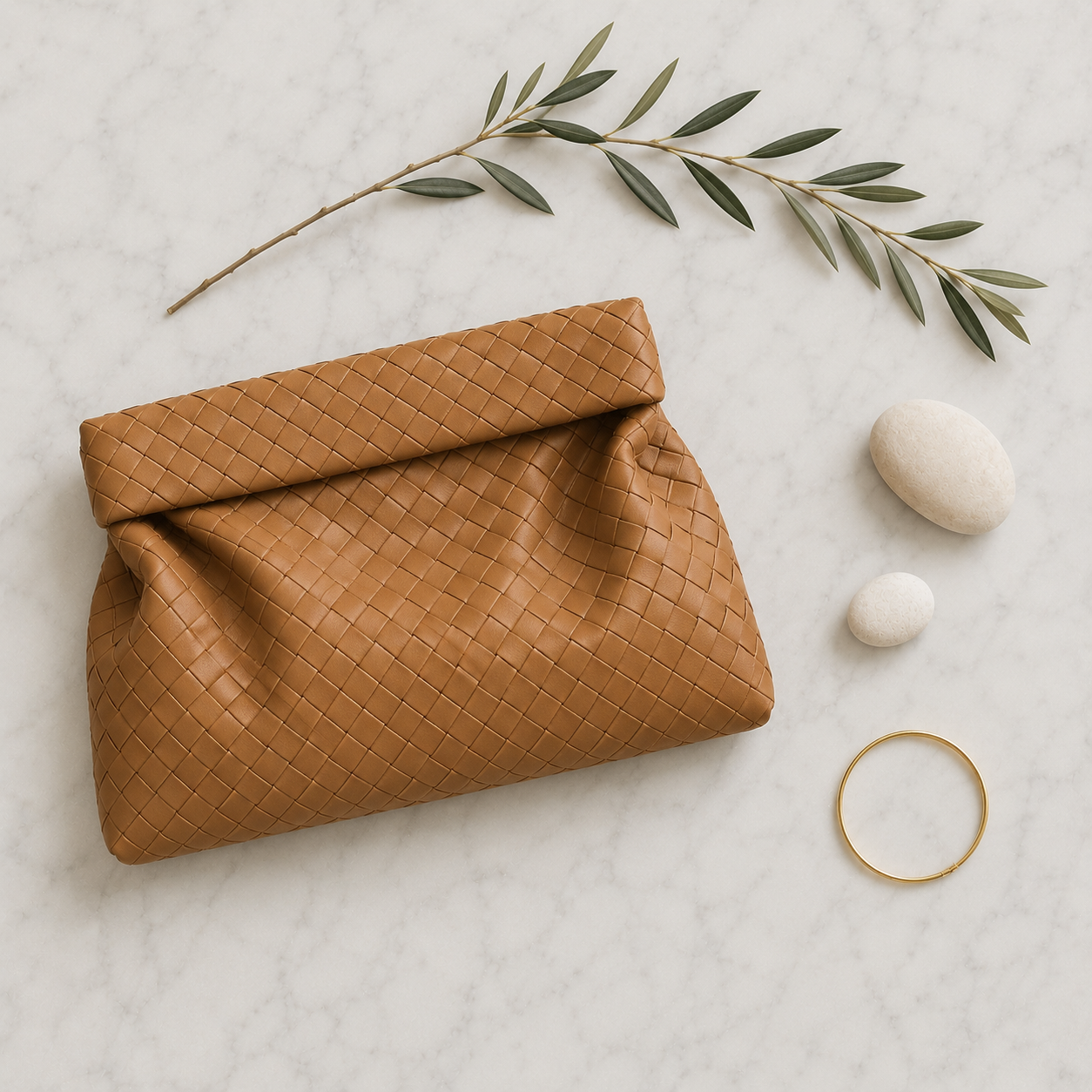
Bottega Veneta’s sustainability story is built on craft longevity. Their intrecciato weaving technique — done entirely by hand in the Veneto region of Italy — produces pieces so durable that they routinely outlast fast fashion by decades. The brand sources leather from LWG Gold-rated tanneries and has committed to carbon neutrality across its supply chain by 2030.
Sustainability credentials: LWG Gold-rated leather, Italian artisan workforce, carbon neutrality target 2030, Kering Group sustainability standards.
7. Patagonia
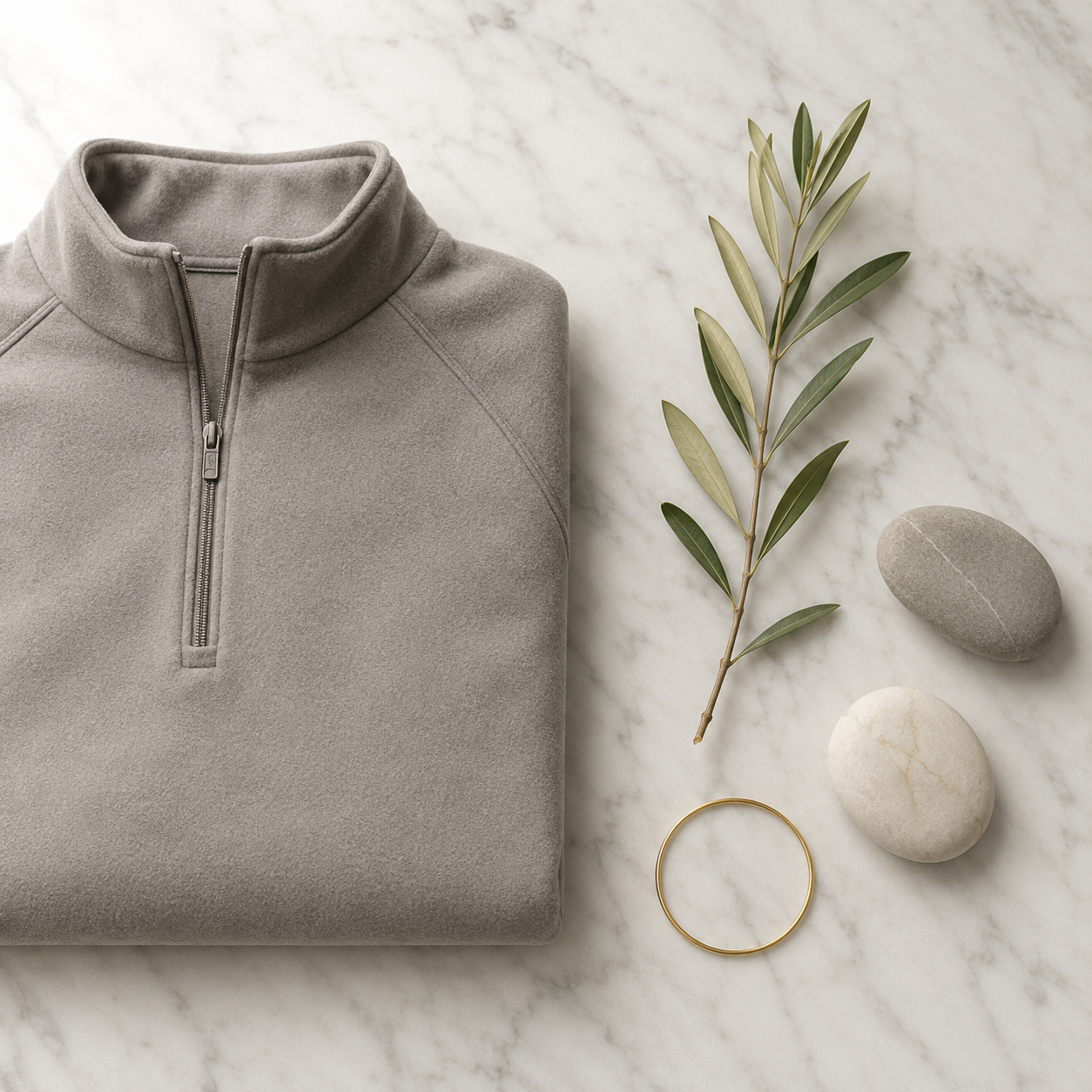
Patagonia is perhaps the most radical sustainability story in fashion. In 2022, founder Yvon Chouinard transferred ownership of the entire company — worth approximately $3 billion — to a charitable trust dedicated to fighting climate change. Every product repair is subsidised, every piece comes with a lifetime guarantee, and 1% of all revenue goes to environmental causes through 1% for the Planet.
Sustainability credentials: Company owned by environmental trust, 1% for the Planet founding member, Fair Trade certified factories, Worn Wear repair programme.
8. Reformation
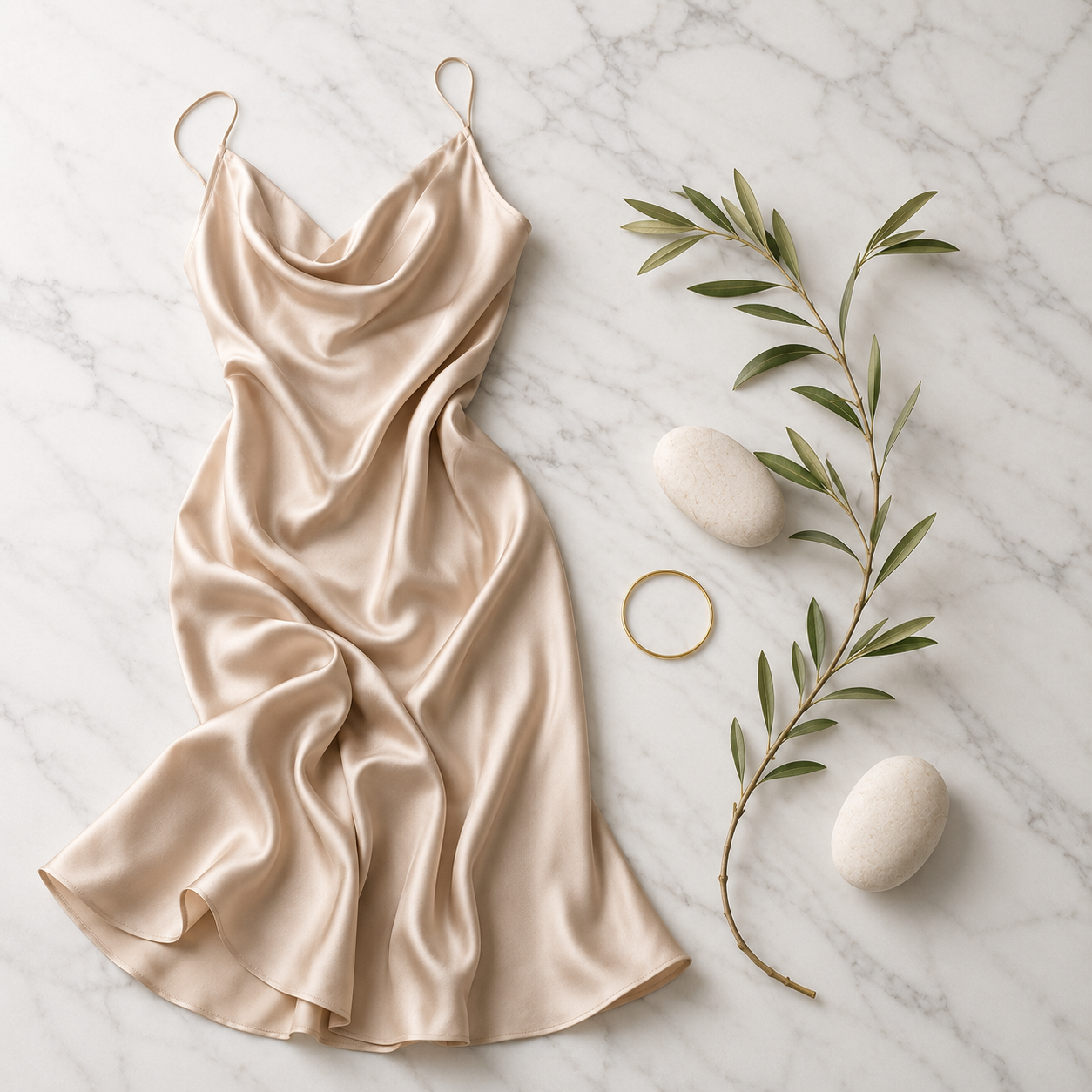
Reformation publishes a quarterly sustainability report detailing the carbon, water, and waste footprint of every single product — a level of transparency almost unmatched in fashion. The brand is climate positive (meaning it removes more carbon than it emits), uses deadstock fabrics and Tencel as its primary materials, and operates carbon-neutral stores and logistics.
Sustainability credentials: Climate positive certified, per-product footprint published, 75% sustainable materials, carbon-neutral shipping and stores.
How to Shop Sustainable Luxury Fashion Wisely
Buying sustainable luxury is an investment in both style and ethics. Follow these principles to shop well.
- Check for third-party certifications — B Corp, GOTS, Fair Trade, OEKO-TEX, Bluesign
- Prioritise brands with published supply chain transparency reports
- Choose natural fibres with traceable sourcing over synthetic alternatives
- Buy fewer, better pieces — the most sustainable garment is the one you wear 100 times
- Consider pre-owned luxury first — platforms like Vestiaire Collective extend garment life cycles
- Avoid greenwashing — look for specific data, not vague claims like “eco-friendly” or “green”
Sustainable Luxury Certifications to Know
These certifications are independently verified and carry real weight when choosing luxury fashion brands ranked by quality and ethics.
- B Corp — highest standard of social and environmental performance
- GOTS (Global Organic Textile Standard) — covers organic fibre processing end-to-end
- Fair Trade Certified — guarantees fair wages and safe conditions for farmers and workers
- OEKO-TEX Standard 100 — every component tested for harmful substances
- LWG (Leather Working Group) — gold rating = responsible leather tannery
- Cradle to Cradle — products designed for full circular lifecycle
Frequently Asked Questions
What is the most sustainable luxury fashion brand?
Stella McCartney is widely considered the most sustainable luxury fashion brand, having pioneered ethical luxury since 2001 with a fully vegetarian policy, B Corp certification, and commitment to 50% recycled or sustainably sourced materials across all collections.
Are sustainable luxury brands more expensive?
Sustainable luxury brands are often priced similarly to conventional luxury brands. The higher cost reflects genuine material quality, fair labour, and traceable sourcing rather than marketing spend. Brands like Veja demonstrate that full transparency need not command a premium over conventional luxury.
Is Chanel a sustainable luxury brand?
Chanel has published sustainability targets including carbon neutrality by 2040 and investment in regenerative agriculture. However it does not yet meet the full transparency standards of dedicated sustainable luxury brands like Stella McCartney or Reformation. Its sustainability journey is in progress rather than complete.
What sustainable materials do luxury brands use?
Leading sustainable luxury brands use organic cotton, recycled cashmere, Tencel (lyocell), deadstock fabrics, mycelium leather, Amazonian rubber, vicuña wool, responsible linen, and OEKO-TEX certified dyes. The best brands publish full material sourcing data publicly.
How can I tell if a luxury brand is genuinely sustainable?
Look for third-party certifications (B Corp, GOTS, Fair Trade), published supply chain transparency reports, specific emissions and water data, and repair or take-back programmes. Avoid brands that use vague terms like “eco-friendly” or “green” without specific data to back them up.
Is pre-owned luxury fashion more sustainable?
Yes. Buying pre-owned luxury is one of the most impactful sustainable fashion choices available. Platforms like Vestiaire Collective, The RealReal and GOAT extend the lifecycle of existing garments, reducing demand for new production. A pre-owned Hermès Birkin or Chanel Classic Flap carries zero new manufacturing footprint.
Which luxury brands are bad for the environment?
Fast luxury and brands with opaque supply chains carry the highest environmental risk. Brands without published sustainability reports, those using conventional (non-organic) cotton at scale, or those without fair labour certifications should be approached with scrutiny. Always check independent sources like Good On You ratings before purchasing.
Final Thoughts
Sustainable luxury fashion is not a compromise — it is the future of the entire industry. The brands in this guide prove that the most beautiful, most enduring clothing in the world can also be the most ethical.
At Regal Wear, we share this philosophy. Every piece in our collection is chosen for longevity, quality, and timeless appeal — because the most sustainable garment is always the one you love enough to keep forever.
Related reads: Luxury fashion investment pieces to buy · Luxury fashion brands worth the money · How to style luxury fashion on a budget · Luxury fashion brands
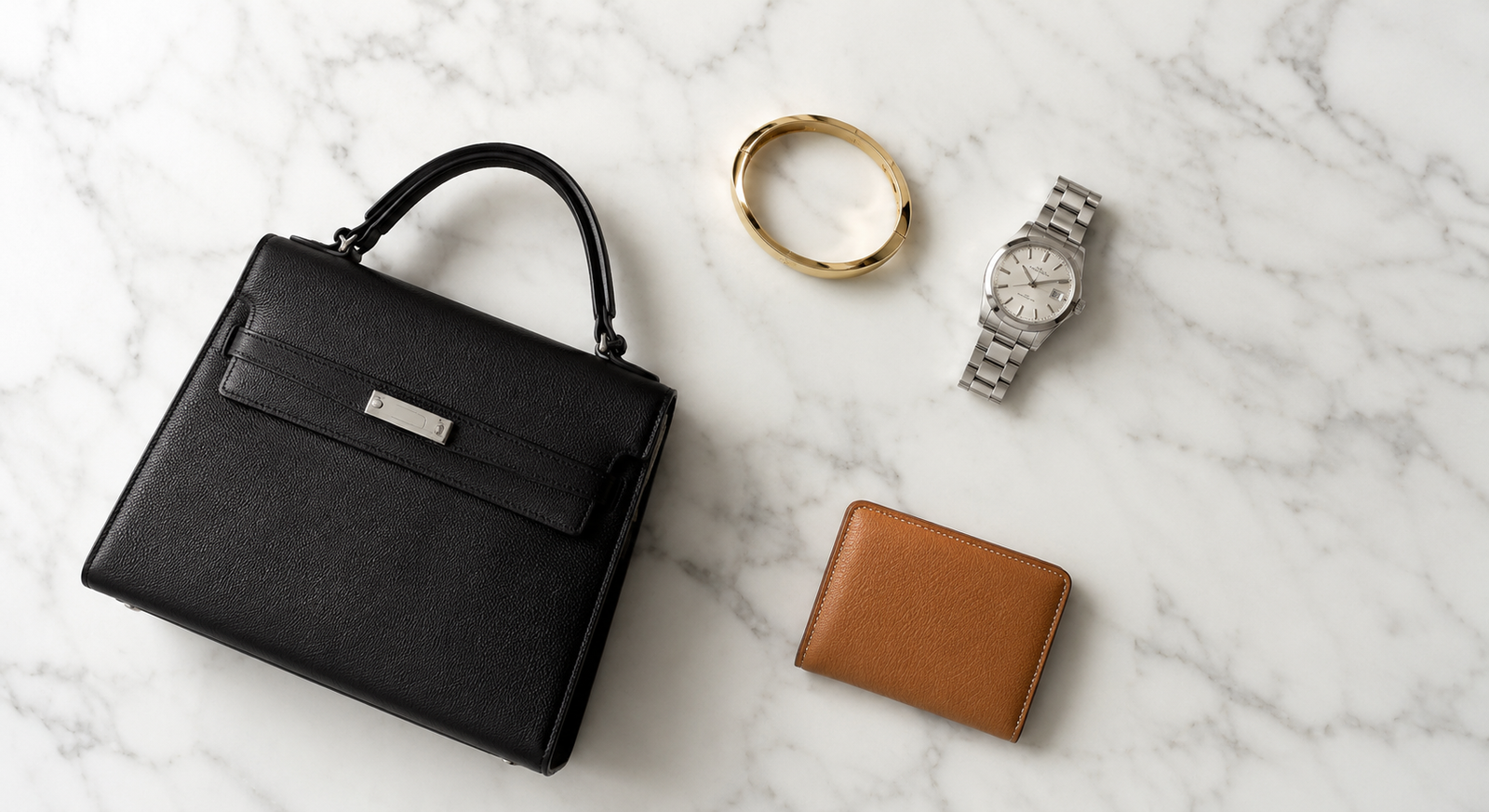

[…] weave is executed in some of the finest calfskin leather available, placing it among the leading sustainable luxury fashion brands known for craft over logo. Classic pieces like the Pouch have doubled in resale value within 3 […]